Merino vs Cotton: What the Fabric Actually Changes
Wool regulates temperature when damp and resists odour between washes. Cotton is cheaper, tougher and dries slower. Here is what each fibre does, and where the marketing overstates it.
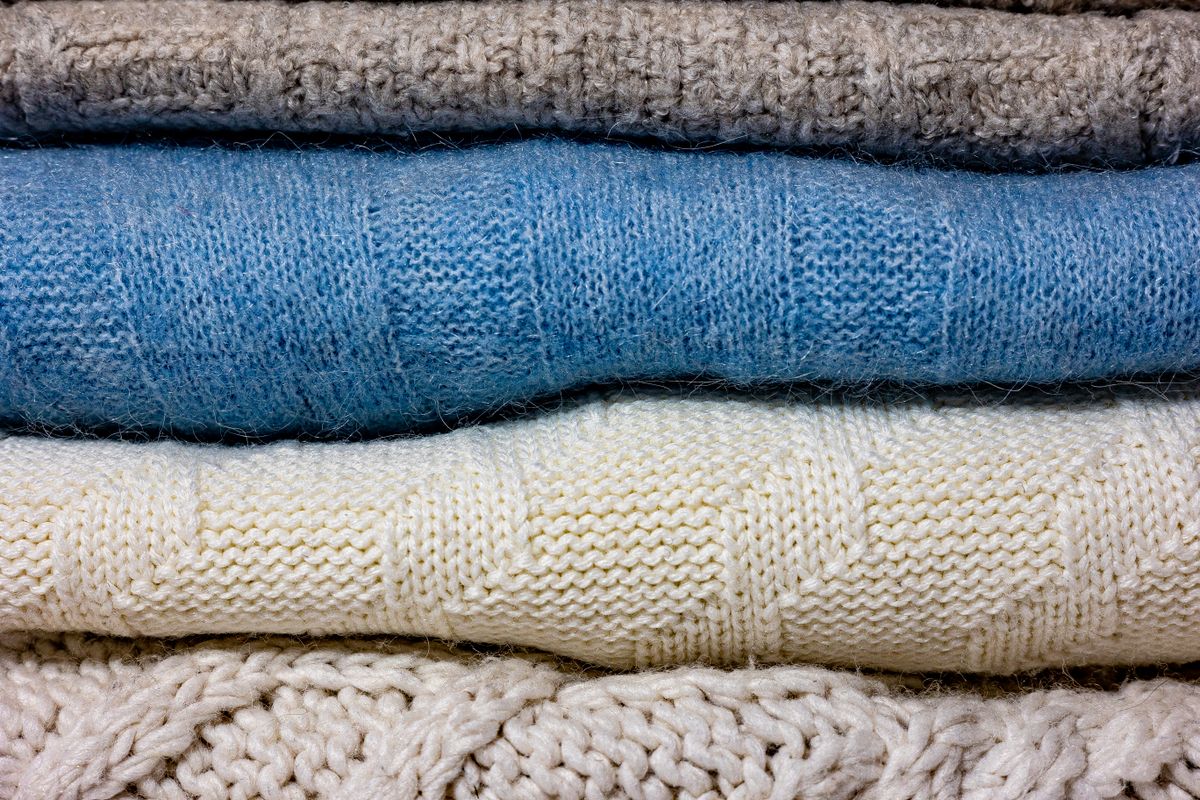
The merino-versus-cotton argument usually gets framed as a verdict. It isn’t one — the two fibres fail in different directions, and which failure you can live with depends on what you’re doing.
Where cotton is genuinely better
Durability. Cotton fibre takes abrasion better than wool. A cotton tee that lives under a backpack strap, or gets dragged across a desk edge every day, outlasts a pure merino one in the same spot.
Cost per wear. A cotton garment costs a fraction of a merino one and survives rougher laundering. If you’re hard on clothes, cheap cotton replaced often beats expensive wool replaced occasionally.
Heat. In genuinely hot, dry conditions with no exertion, cotton is comfortable. It absorbs moisture readily and the evaporation cools you. That’s the whole argument for cotton in summer, and it holds — right up until you stop moving.
Where merino is genuinely better
Damp conditions. Wool keeps insulating when wet; cotton largely stops. This is the property that matters most in practice, and it’s the reason the “cotton kills” line exists in outdoor contexts. In everyday terms: a damp cotton shirt on a cool evening is cold, and a damp wool one isn’t.
Odour between washes. Wool absorbs odour compounds into the fibre rather than letting them sit at the surface, so a merino garment can be worn more times between washes than a synthetic one. It’s a real difference, but it’s a matter of degree — the “wear it for three weeks” framing is marketing.
Temperature swing. Wool buffers changes better. Moving between a cold street and an overheated office is where merino earns its price, more than in either condition alone.
Where the marketing overshoots
“Merino is warmer.” Not inherently. Warmth is mostly a function of fabric weight and loft, not fibre type. A heavy cotton sweatshirt is warmer than a lightweight merino base layer.
“It wicks moisture away.” Wool manages moisture well, but no fibre moves sweat off your skin and into the air on its own. Wicking claims are usually about synthetic blends and fabric construction.
“Wool is itchy, merino isn’t.” Merino is fine enough that most people tolerate it next to skin; it’s not universally comfortable. Fibre diameter is given in microns, and the number decides it. Below about 17.5 microns is comfortable for most; above roughly 20, complaints increase.
Fabric weight matters more than fibre
A base layer’s weight is usually given in grams per square metre (gsm). Lightweight is around 150 gsm, midweight 200–250, heavyweight 300 and up. A 150 gsm merino tee and a 250 gsm one behave like different garments entirely, and the weight difference will change your experience more than the fibre choice does.
If you’re buying one, decide the weight first — what season, how much layering — and let the fibre follow from whether you’ll be damp.
Blends, and why they exist
Pure merino is soft and comfortable and wears out faster than it should. Blending with nylon — sometimes as a core wrapped in wool, sometimes as a straightforward mix — addresses the abrasion problem at some cost to the odour and hand-feel advantages. A nylon-core merino sock lasts dramatically longer than a pure wool one in the same shoe.
FAQ
- Does merino actually stop you smelling?
- It reduces odour compared with synthetics, because wool fibre absorbs odour compounds and releases them on washing rather than holding them at the surface. It does not eliminate odour indefinitely, and claims about wearing a shirt for weeks without washing it are marketing rather than a typical result.
- Is a higher micron count better?
- A lower micron number means finer fibre and less prickle. Around 17.5 microns and below is fine enough for most people to wear next to skin comfortably; above roughly 20 microns, more people report itch. Finer is softer but generally less durable.
- Why do merino garments wear out faster than cotton?
- Wool fibre is finer and has less abrasion resistance than cotton, which is why merino base layers are frequently blended with nylon, or woven with a nylon core, to prolong their life. Pure merino in a high-friction area such as under a backpack strap will thin out sooner than a cotton equivalent.
Written by
Maya Ellis
I started Dressing Time after one too many orders that came back in the wrong size. Everything here is built from published specifications, brand measurement charts and what owners actually report.
More in Everyday Wardrobe