Gloves Are Graded by Palm Circumference, and Fingers Pay for It
One measurement sets the size, and finger length rides along with it. How to read glove charts, where leather gives, and the fist test worth doing.
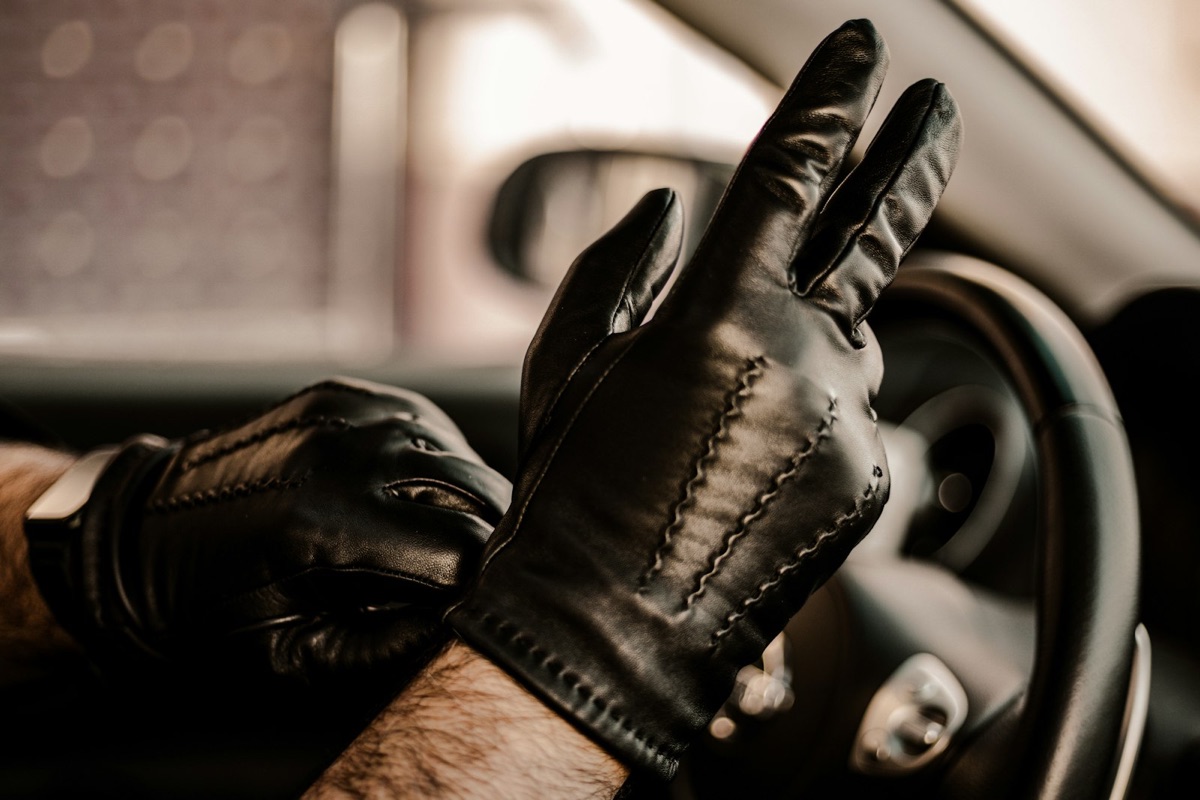
A glove chart asks for one number: the circumference of your hand around the knuckles. An eight-and-a-half-inch hand is a medium in most brands. Put a three-and-seven-eighths-inch middle finger in that same medium and the tip of the glove often sits a quarter inch short.
That quarter inch is not a defect. It is what happens when a whole size is derived from a single measurement.
The number that sets the size
Measure the dominant hand, around the widest part of the palm, across the knuckles, thumb excluded. Keep the tape snug but not tight. That figure in inches maps to a letter: roughly 7 to 7.5 is small, 8 to 8.5 medium, 9 to 9.5 large, 10 to 11 extra large in men’s charts. Women’s charts run about an inch lower at each step.
Some European and dress-glove makers use a numbered scale instead, where the size is the circumference in inches measured the same way, so a size 8.5 glove and a medium are the same glove. That part is at least consistent.
What varies is where the chart says to measure. Knuckles, palm, or the widest point including the thumb base all appear in published guides, and they produce numbers up to half an inch apart. If a brand’s chart looks one size off from everything else you own, check which point it uses before deciding your hand changed.
Why fingers get short
Glove patterns are graded in steps. Each step up in circumference also lengthens the fingers, usually by around an eighth of an inch. That works for hands that scale proportionally and fails for everyone else.
Wide palm, short fingers: the correct palm size leaves the fingertips baggy. Narrow palm, long fingers: sizing up to get finger length leaves the palm loose, and a loose palm bunches at the knuckles and wears through faster.
There is no adjustment for this in most retail charts. Some workwear and motorcycle brands publish finger length in the specification, and a few dress-glove makers offer half sizes. Those are the only real fixes. Otherwise, the practical answer is to size for the palm, because a glove that is tight across the knuckles is uncomfortable in ten minutes and a glove with a little room at the tip is not.
Leather and knit behave differently
Leather gives where it flexes: across the knuckles, at the base of the thumb, and along the back of the hand. Expect an eighth to a quarter inch over the first month. It does not stretch lengthwise at the fingertips in any useful amount.
Knit gloves are the reverse. Ribbing stretches to fit almost any hand and then relaxes in the wash, which is why a wool glove that fits perfectly in the shop can feel loose by February. Cotton and acrylic blends relax more than wool. If a knit glove is tight, it will probably be right; if it is already loose, it will get looser.
Linings change the fit by a few millimetres. An unlined leather glove in your size will feel tighter than a cashmere-lined one in the same size, because the lining takes up room. If you plan to wear a thin liner glove underneath for cold weather, size up.
The fist test
Put the glove on and make a fist. The web between your fingers should not pull tight, and the leather across the back of the hand should crease rather than drum.
Then extend your fingers and look at the tips. There should be about an eighth of an inch of space beyond your longest finger. Less than that and the tip will wear through first, usually within a season. More than half an inch and the glove will twist when you grip a rail.
Finally, check the cuff against your sleeve. A glove cuff should overlap the sleeve by an inch or two, not meet it exactly. The gap at the wrist is where cold air gets in, and it is the reason sock height matters at the other end of the body for the same reason.
What to write down
Once you know your circumference and your middle finger length, you can buy gloves without guessing again. Both numbers go in the same note as your other body measurements, alongside the ones in the guide to measurements worth taking.
Two lines in a notes app beat a return every November. And if a chart does not publish finger length at all, that absence is information: the brand is grading for an average hand, and yours may not be it.
FAQ
- How do you measure your hand for gloves?
- Wrap a tape around the widest part of your dominant hand, across the knuckles and excluding the thumb. That circumference in inches is the size most charts use. Measure the hand you write with, since it is usually slightly larger.
- What if the palm fits but the fingers are too short?
- That is the standard failure of glove grading. Patterns scale circumference and finger length together, so a narrow palm with long fingers has no size that fits both. Size for the palm and accept a little room at the tip, or look for a brand that publishes finger length separately.
- Do leather gloves stretch?
- Leather gives roughly an eighth to a quarter of an inch across the palm after a few weeks of wear, mostly where the hand flexes. It does not lengthen at the fingertips. Buying a glove that is tight across the knuckles on the assumption it will stretch is a fair bet; buying one with short fingers is not.
Written by
Nora Finch
I started Dressing Time after one too many orders that came back in the wrong size. Everything here is built from published specifications, brand measurement charts and what owners actually report.
More in Accessories