How a Shoe Should Fit: Length, Width, and the Numbers the Size Label Hides
A shoe size describes the last, not your foot. How to check length, width and heel slip before ordering, and why the same size fits differently across brands.
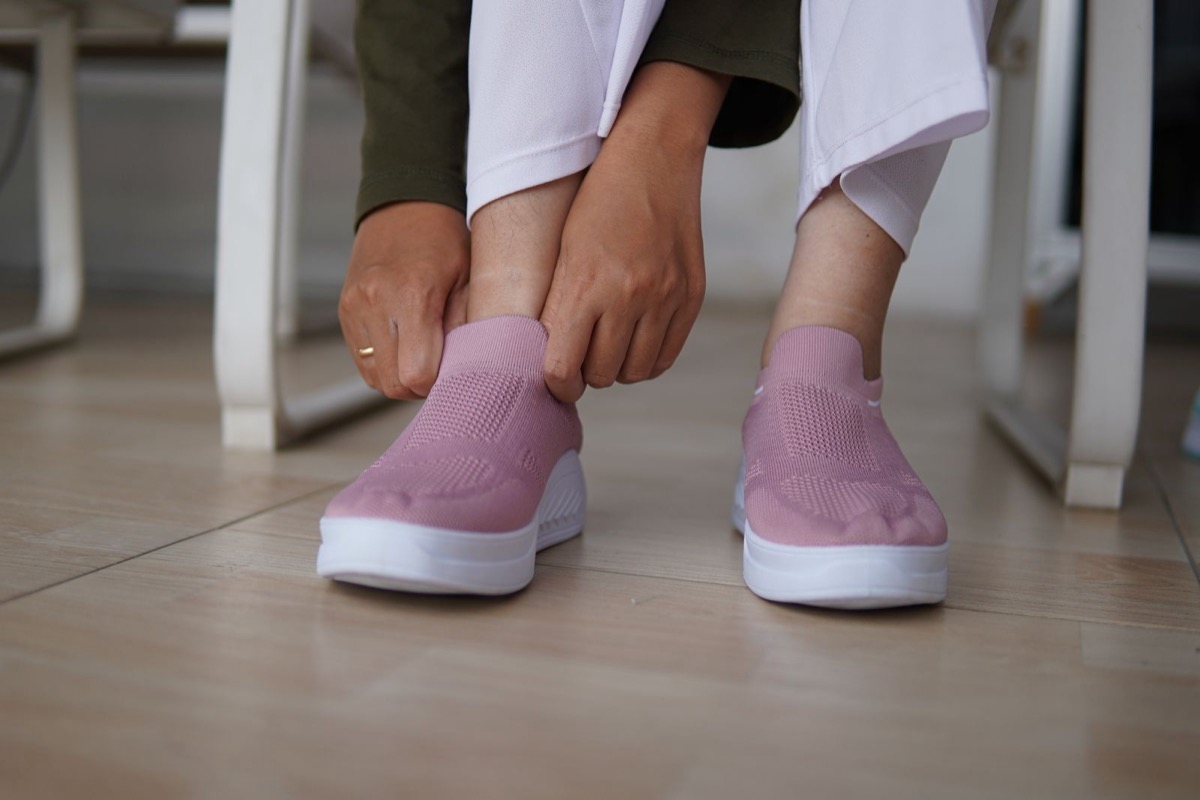
A return reason I read more than once a week, in different words, is “the size I always wear doesn’t fit in this shoe.” That sentence contains the whole problem: a shoe size is a property of the shoe, not of your foot. The number on the box describes the last the shoe was built around, and lasts differ between brands in length, width and volume. The size label cannot settle the fit. What settles it is a small set of checks against numbers you already know — five minutes before checkout, the same way you would check a size chart for a shirt.
Length: the thumb’s width, measured
The working rule in shoe fitting is that a new shoe should leave roughly a thumb’s width of space between your longest toe and the end of the shoe. That is your longest toe — on many feet that is the second toe, not the big one — and it is closer to three-eighths than to a half inch in practice.
The useful version of that rule is a measurement, not a feeling. Take the best-fitting pair you own in a similar style, pull out the insole if it comes out, and measure it flat from the heel seam to the tip. That number is the internal length that has been working. Any chart a brand publishes for a “foot length to size” conversion is an approximation of that number, and the shoe that matches your measured insole length is the one worth ordering first.
Sizing up for length has a cost people skip: a shoe that is too long lets the foot slide forward, and the sliding is what produces blisters at the heel and a bent toe box that creases where the foot never bends.
Width: the letter that most brands bury
Length gets the number; width gets a letter, if the brand publishes one at all. D through E on the US scale is standard men’s width, with B standard on women’s. The letters are not subtle — a full E is a meaningful step wider than D — but the commonest mistake is ignoring them entirely and trying to buy width through length.
It cannot be bought through length. Going half a size up adds perhaps a sixth of an inch of length and a sliver of width, so a foot that needs an E width ends up in a longer shoe that still pinches, now with extra room at the toe doing nothing. Brands that offer wide fittings usually list the same model in several width letters on one page; if the page shows only one width and no letter, the shoe is the brand’s standard last and the listing is not telling you which one that is.
Two physical signs give the width away in a shoe you already own: the upper bulging sideways over the sole edge at the little toe, and the eyelet rows pulled so close they nearly touch. Both mean the last is narrower than the foot inside it.
Heel slip, and what it will and will not do
A brand-new leather shoe that slips a quarter inch at the heel is usually fine. The stiff sole flexes with wear, the leather moulds, and the slip closes up. The same slip in a knit or mesh sneaker will not close, because those materials do not stretch and mould the same way — what you feel on day one is close to what you will feel at day one hundred.
Before concluding that a shoe is too big, lace it properly. Skipping the two eyelets nearest the ankle — or never tightening them — causes heel slip in shoes that actually fit. Lock those eyelets down and most marginal slip disappears.
The checks, in order
Measure the insole of a similar shoe that fits, and compare it to any internal-length figure the listing gives. Check the width letter, and refuse to compensate a narrow last with a longer size. Read the toe shape: a pointed last puts the thumb’s width somewhere your toes are not, so a pointed shoe needs more measured length than a round one in the same size. Order in the afternoon if you can pick a time — feet swell through the day, and a shoe fitted in the morning is fitted to your feet at their smallest.
If the brand publishes nothing but a standard conversion, treat it the way a garment size chart should be read: as a starting point to be corrected against something you own, not as the answer.
When to send it back
The return is not bad luck; it is a constraint that was never published. But some failures are worth returning and some are not: a shoe a half size short everywhere is a clean return, while a shoe that fits everywhere except one pressure point on the little toe will keep failing even in the next size up, because the next size changes length and width together. Width problems in a brand with no wide fitting are a dead end — return on fit, not on hope, and take the measured insole length to a brand that publishes it. The pattern is the same one behind most clothing returns: the numbers were knowable before checkout, the same way taking a handful of body measurements first makes every later chart readable. Write your insole lengths down once and every shoe purchase after that starts from a number instead of a memory.
FAQ
- Is a small amount of heel slip in new shoes normal?
- In a stiff leather shoe, a quarter inch of slip at the heel usually closes up once the sole flexes and the leather moulds. The same slip in a knit or mesh sneaker will not close, because the material does not stretch and mould the same way. Lacing the two top eyelets tighter solves most remaining slip.
- Does my shoe size equal my foot length?
- No. The size describes the last the shoe was built on, and each brand's lasts differ in volume, toe shape and grading. Two brands can both be correct at a half size apart, which is why the label number matters less than the internal length and width of a shoe that already fits you.
- Should I size up to get more width?
- No. Length and width scale differently: a half size up adds length you may not need while adding little width. Wide fittings are the actual answer, and most brands that make them list the width letter separately on the same page as the standard version.
Written by
Nora Finch
I started Dressing Time after one too many orders that came back in the wrong size. Everything here is built from published specifications, brand measurement charts and what owners actually report.
More in Fit & Buying Guides