How a Blazer Should Fit
Shoulder line, sleeve length, body length, button stance and back room, checked in that order. What to look at before buying and what a tailor can fix after.
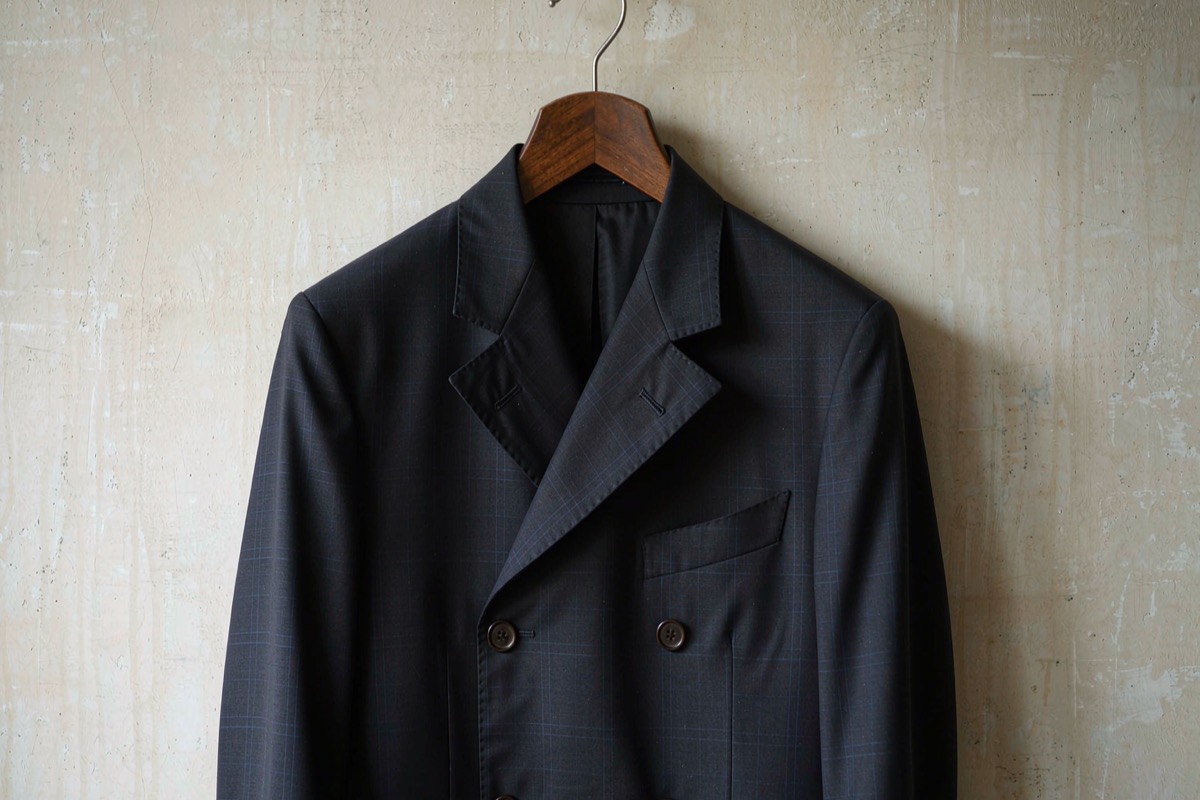
A blazer is more forgiving than a shirt — the cloth is heavier, the cut is structured, and small excess disappears into drape. That same forgiveness is why fit problems go unnoticed until photos come back. Check one in a fixed order: shoulder, sleeve, length, button stance, back. Only the first step is hard to fix later.
Start with the shoulder line
The seam should end exactly where your shoulder does, at the bony point where shoulder turns into arm. Inside that point and the jacket pulls when you reach; past it and the seam slides down the bicep, dragging diagonal folds with it and making everything below look too large. Light padding can soften a near miss, but a shoulder that is genuinely wide or narrow cannot be rescued cheaply — reshaping it means rebuilding the most complex area of the garment, and that work usually costs more than the blazer did. Settle the shoulder first and trust that everything under it can be adjusted.
Sleeve length and sleeve twist
With arms relaxed, the cuff should land at the bone of the wrist, right where the hand begins, leaving roughly a quarter to half an inch of shirt showing. Off-the-rack sleeves tend to run long, and shortening them is routine, inexpensive tailoring. What shortening will not fix is twist: if the sleeve fabric spirals forward and wrinkles radiate from your elbow, the sleeve was set at the wrong angle for your arm. No amount of cuff adjustment makes a twisted sleeve hang straight, so that one is a reason to move on.
Body length
The jacket should cover the seat without extending past it — long enough to keep one continuous line from shoulder to hem, short enough not to swallow the trousers. A quick mirror check: the hem should sit near where your relaxed fingertips end. Length is where proportions start compounding, and the same logic that governs how long an overcoat should be applies one level up.
Button stance
Fasten the top button and stand the way you actually stand. It should close without pulling — X-shaped lines radiating from the button mean the front is too tight across the stomach or hips. Then slide a flat hand inside over the chest: it should fit with light contact, not squeeze. Sit down too. If the jacket yanks upward and the front gaps open at the hips, the button stance sits too low for your torso; moving a button is possible, but it changes the balance of the front and is rarely the first fix worth trying.
Room to move across the back
Stand still, then reach forward as if grabbing a seatbelt, then hug your own shoulders. A horizontal band of tension across the upper back means the back panel is too tight; deep folds spilling off the shoulder blades mean the opposite. What you are looking for is the same principle behind any garment’s working room — enough ease to move without excess pooling, which is much easier to judge once you are clear on what ease actually is.
What to alter and what to refuse
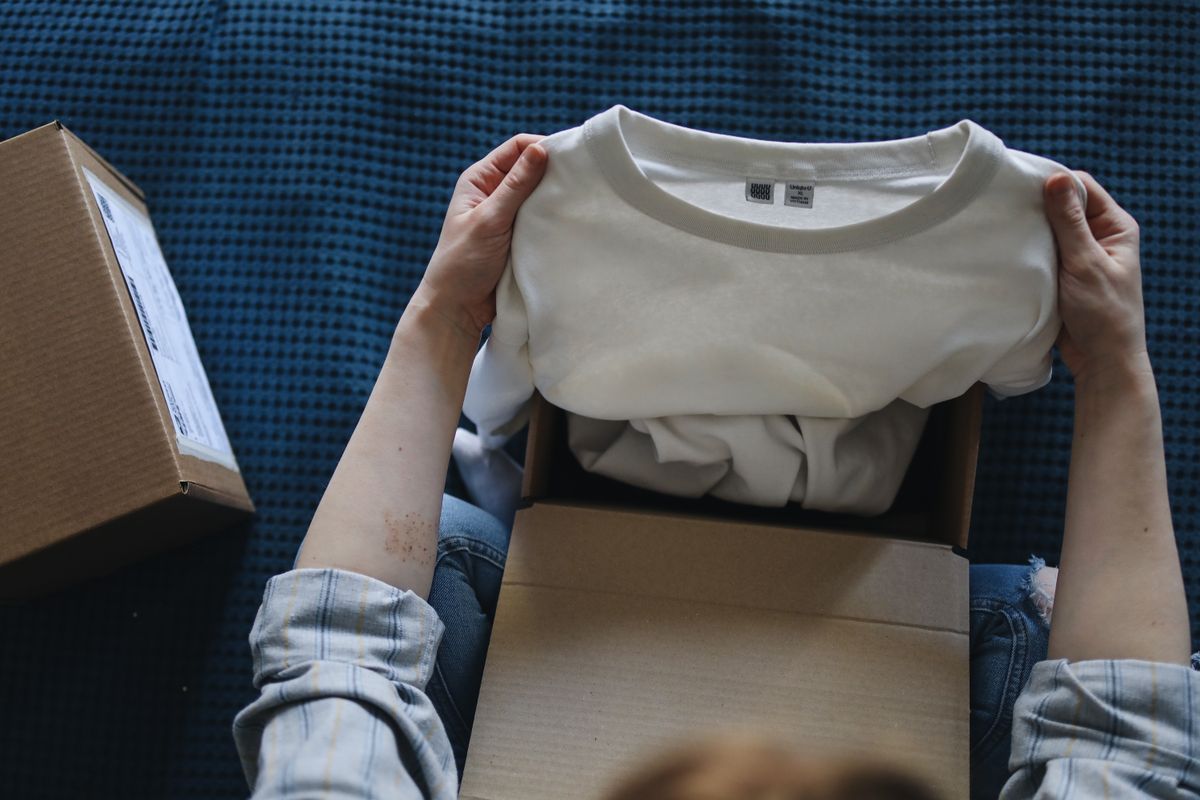
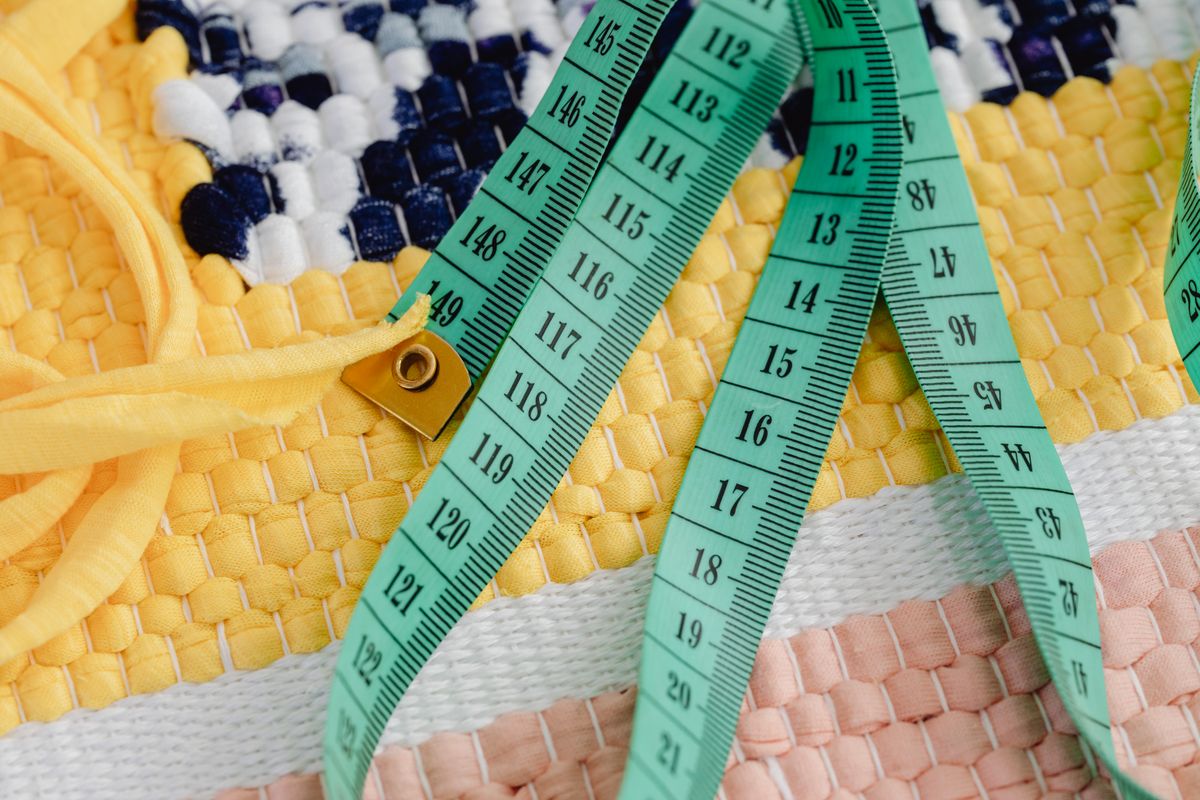
Refuse a wrong shoulder, a twisted sleeve, or a front that pulls at the button. Alter sleeves, waist, body length and cuff width — all standard work. And read the size chart before ordering: the numbers there are garment measurements, not body measurements, and knowing the difference is what makes buying a blazer online survivable.
FAQ
- Where should the shoulder seam sit on a blazer?
- Right at the bony point where your shoulder turns into your arm — the seam ends where the shoulder ends, without a divot forming near the sleeve head when you move. It is the one part of a blazer that is not worth altering, so settle it before buying rather than counting on a tailor.
- How much shirt cuff should show under a blazer sleeve?
- Roughly a quarter to half an inch, with the sleeve ending at the wrist bone where the hand begins. Shortening a sleeve is routine work, so a slightly long sleeve is a minor problem — but check that the sleeve doesn't twist around your arm first, because twist will not correct itself at any length.
- Can a tailor make an oversized blazer fit?
- Partly. Sleeve length, body width, waist suppression and overall length are all standard alterations. Shoulders are not: resetting them means rebuilding the most complicated area of the jacket, and the work usually costs more than the blazer is worth. If the shoulder seam lands well past your natural shoulder, change the size or the cut instead.
Written by
Maya Ellis
I started Dressing Time after one too many orders that came back in the wrong size. Everything here is built from published specifications, brand measurement charts and what owners actually report.
More in Fit & Buying Guides