Zipper Types Explained: Coil, Metal, and What the Number Means
A zipper number is tooth width in millimetres. What coil, metal and molded plastic teeth each do, and why the slider is the part that fails first.
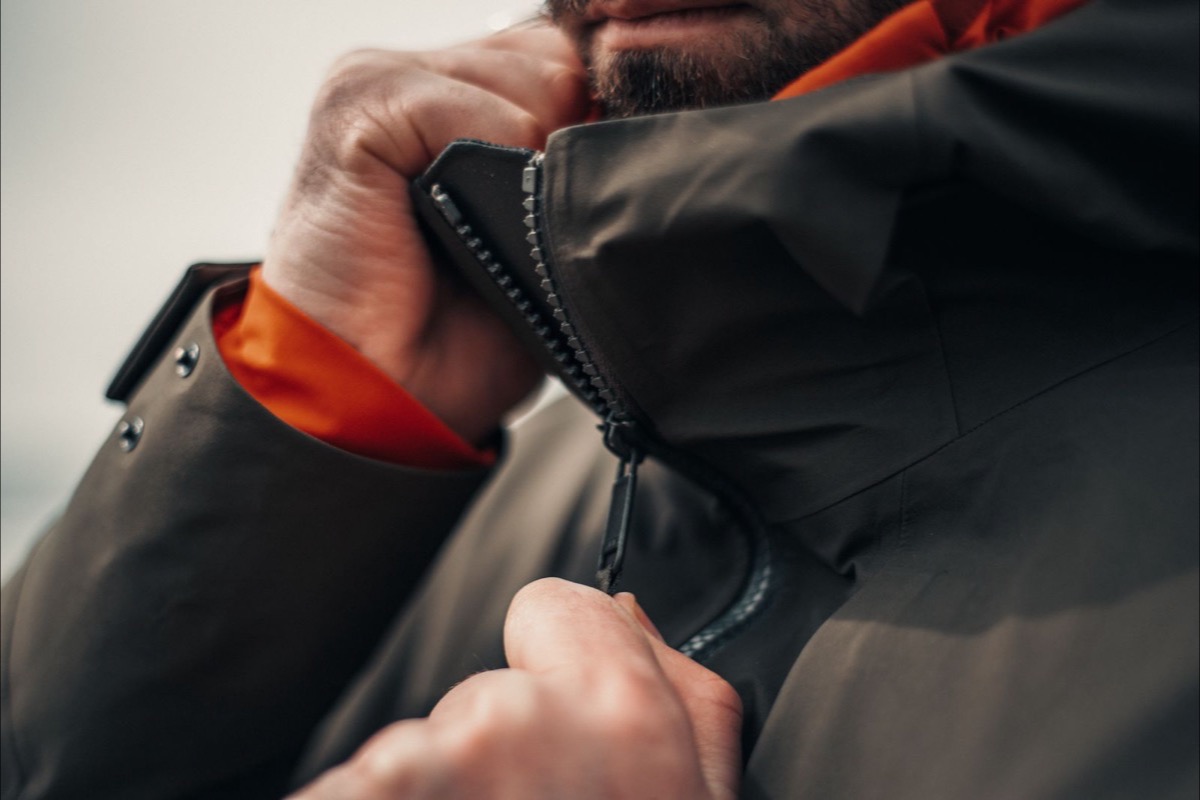
The jacket came back with the note “zipper broke in two weeks” and, almost as often, a five-star review of the same model where the zipper has run for five years. Both customers are describing different parts. When people say a zipper broke, they mean the slider wore out — and the slider is the one component a buyer can judge, and the one component no product page photographs in detail.
The three tooth types, and what each one is good at
Coil zippers are a continuous nylon spiral stitched to the tape. They are light, they flex around corners, and they are self-healing: if a tooth gets crushed, running the slider back over it usually re-engages the coil. That is why virtually every technical jacket, rain shell and packable garment uses coil — the same garments that get folded into their own pockets and abused in luggage.
Metal zippers use individual brass, aluminium or nickel teeth. They are the classic choice for denim and leather jackets because the teeth survive abrasion that would saw through a coil. Their weakness is structural: each tooth is a separate part, and one bent tooth is a permanent defect the slider cannot pass.
Molded plastic zippers — Vislon is the common trade name — sit between the two: chunky plastic teeth on a tape, light for their size, made mostly in the larger numbers for outdoor jackets. Grip a heavyweight parka’s zip between two fingers; if the teeth feel like moulded plastic ribs rather than a fine spiral or metal, that is Vislon.
The number is a measurement, not a grade
The #5 on a spec sheet is the width of the closed chain in millimetres. #5 is the jacket standard, #8 and #10 appear on luggage and heavy outerwear, #3 on ultralight gear where saving grams matters more than slam-door durability. The number tells you how much material is in the chain; it says nothing about the quality of it. A well-made #5 outlasts a sloppily made #8, which is why the brand name on the slider — YKK being the one most jackets carry — is worth more attention than the number beside it.
The slider is the part that fails
The chain almost never wears out on a garment that gets normal use. The slider does: its jaws spread with thousands of cycles, and once the jaws spread, the teeth no longer interlock behind it. The symptoms are specific — the zipper closes and then splits open behind the slider, or the pull has to be held at an angle to engage at all.
The fix costs almost nothing. Pinching the slider’s rear plate a fraction of a millimetre with pliers re-tightens the jaws; replacement sliders are sold by chain number and brand, clip on without sewing, and a jacket with a #5 coil takes the same #5 slider across brands in most cases. A split chain, a torn tape or a missing top stop is a different diagnosis — those are tailor jobs, not five-minute ones.
What to check before ordering
Look at the product photos and the spec list for three things: the brand on the slider (YKK is the floor, not the ceiling), the chain number where it is listed, and whether the main zip is coil or metal given how the garment will be packed. A rain shell you stuff into a backpack wants coil for its self-healing; a jacket that opens over a thick insulated midlayer wants a #8 or better so the chain does not bow under load. If a listing shows no zipper details at all, that silence is itself the data point — the same rule I apply to size charts that publish nothing but a standard conversion. Five minutes of zooming into product photos before checkout answers the question the return window would otherwise answer for you.
FAQ
- What does the number on a zipper mean?
- It is the width of the closed chain in millimetres. A #5 chain measures about 5 mm across the teeth, an #8 about 8 mm. Higher numbers are heavier-duty; most jackets carry a #5, most luggage an #8 or #10.
- Which zipper type is most durable?
- It depends on the failure mode. Metal teeth are the hardest material but a bent or missing tooth is permanent, because the teeth are individual. Coil is softer but self-healing — a crushed section usually re-engages when the slider passes back over it. For a jacket that gets packed and stuffed, coil survives more total years.
- Why does my zipper keep splitting open behind the slider?
- The slider, not the chain, has failed. A worn slider spreads the teeth apart instead of closing them, so the chain separates behind it. Pinching the slider's back plate gently with pliers often restores it; a replacement slider costs a few dollars and no sewing.
Written by
Nora Finch
I started Dressing Time after one too many orders that came back in the wrong size. Everything here is built from published specifications, brand measurement charts and what owners actually report.
More in Outerwear & Layers