What Packing Cubes Actually Change
Packing cubes do not create space, they create order. When they are worth the weight, and when a simple pouch does the same job for less.
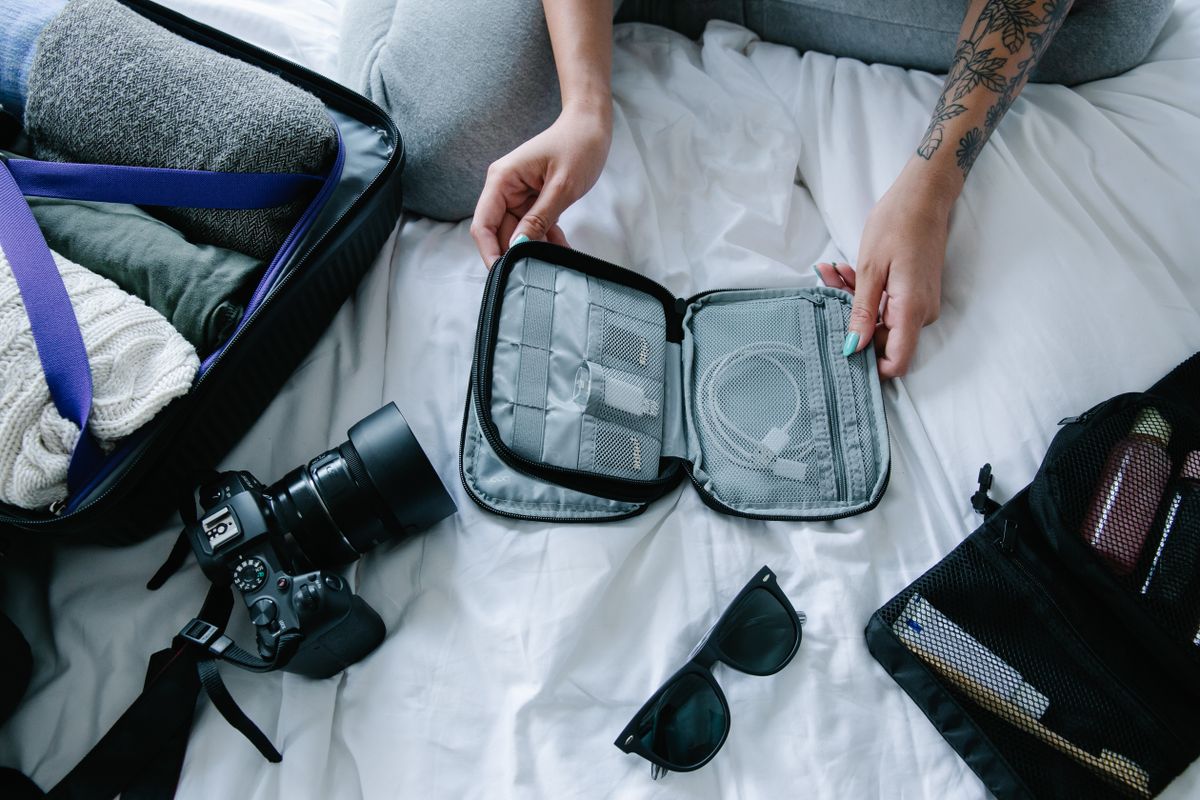
Packing cubes are sold as space-savers. They are not. A full cube takes the same room as the same clothes loose; what changes is the order, and order is what most trips actually lack.
What cubes do
A cube groups a category — tops in one, bottoms in another, the layer and underwear in a third — so the bag stays findable after the first open. Without them, day two turns the suitcase into a heap and day four into a search. That is the real value: you stop repacking the whole bag to reach one shirt.
The mechanism is the same as a drawer. Pull one cube out and the rest hold their position, because each one is a self-contained block rather than a loose pile that slumps. In a hotel room the cube goes straight into a dresser drawer and back into the bag at checkout, and the packing state survives the trip in between. For a shared bag, one cube per person does the same work: the blocks can be assigned without everything interleaving at the first security check.
Cubes also protect a crease. Trousers folded inside a cube keep their line better than trousers loose under a pile of knits, because the cube walls hold the fold instead of letting weight roll it.
What cubes do not do
They do not create litres. The claim that a cube “saves 30% space” comes from squeezing air out of soft fabric, which you can do by hand; the cube just holds the squeeze. On thin summer clothes the gain is nearly nothing, and a structured cube adds weight you then carry.
The claim survives because the squeeze is real and visible: a cube pressed shut looks smaller than the pile it replaced, and it is — until the same hand-pressing is done without the cube. The honest comparison is cube-plus-clothes against clothes-compressed-by-hand, and there the cube loses on volume and wins only on keeping the compression in place. What the number also hides is the air trapped inside structured garments: a blazer or a pair of shoes does not compress, so the cube adds its own walls around volume that was never going to shrink.
There is also a failure mode that runs the other way: an over-filled cube. A cube stuffed past its walls cannot close flat, the zipper takes strain across the bulge, and the block that was supposed to stack becomes a lumpy parcel that wastes more space than the same clothes would loose. The rule is to fill the cube to its seams and no further, and to let the overflow start a new cube rather than force the old one — the system works when each block keeps its shape.
Compression cubes are a different tool
The second zipper flattens the cube and earns its place when you pack a down jacket or several knits — bulky soft items that hold air. Down and fleece rebound to their loft, so the squeeze they get from a compression zipper is the squeeze that matters; a pressed-flat cube of down takes a fraction of the space of the same jacket loose.
On a warm trip of light fabric, skip them. Thin cotton has almost no trapped air, the second zipper gains little, and the extra layer of material adds weight and a second zipper to fail. Compression cubes also punish the daily-open habit: a cube pressed flat has to be re-compressed every evening to regain the space, and that ritual lasts about three days before it stops happening.
Rigid cubes against curved bags
Structured cubes hold their shape, which keeps the fold flat and the stack stable — and which wastes space in the wrong bag. A suitcase interior is close to rectangular, so square corners fill it well. A duffel or a soft backpack curves, and a rigid cube leaves gaps at every curve that loose clothes or a soft-sided cube would have filled.
The matching rule: structured cubes for a hard-sided suitcase, soft ones for everything that slumps. In a soft bag the cube’s shape comes from its contents anyway, and the lighter walls cost nothing in function.
How to split the categories
One cube per category, and the test for a category is frequency of opening: anything reached every day gets its own cube, and anything opened once per trip can share. Tops and bottoms separate because the daily outfit draws from both; the layer and sleepwear share because they open together at night; the laundry cube starts empty and gives the used clothes somewhere to go, which is what keeps the clean half of the bag clean for the return leg.
Toiletries stay outside this system. They leak, and a leak in a cube of tops is a load of washing; a leak in a dedicated wash bag, upright at the outside edge of the bag, is a wipe-down.
Colour can do part of the labelling work. Dark cube for used clothes, light for clean, and the answer to “is this worn?” is visible without opening anything. The same trick separates travellers sharing a bag: one cube colour each, no inventory list required.
When a pouch is enough
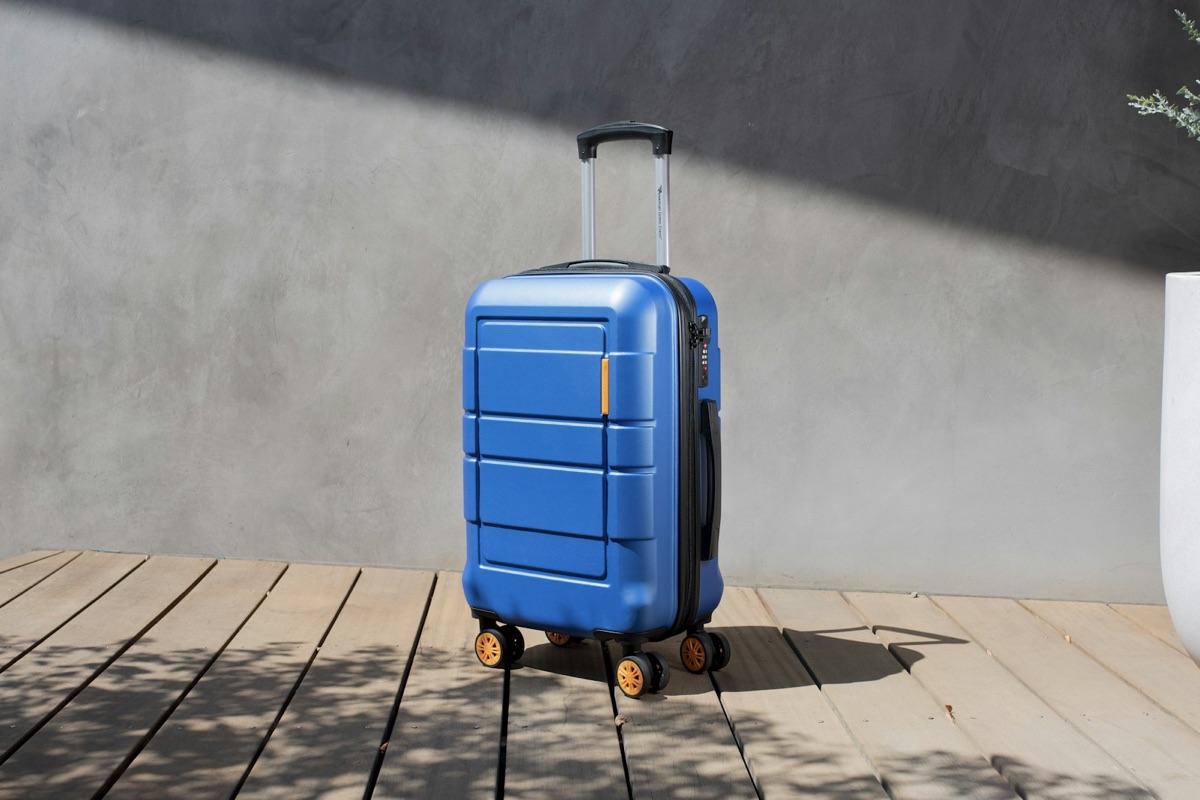
For a short trip out of one bag, a few zip pouches do the same grouping for no weight and fold away when empty. If you pack a carry-on for five days and open it once, pouches are fine; if you live out of the bag and reopen it daily, cubes justify the weight by keeping the layout identical every time. The carry-on size limit is the real constraint, and cubes neither beat it nor break it.
The one step: pack one trip with pouches, the next with cubes, and keep the method that left you digging less — not the one that weighed less.
FAQ
- Do packing cubes save space?
- Not really. They compress soft items a little by squeezing air out, but they do not add volume — a full cube takes the same room as the same clothes loose. What they save is the time spent digging, not the centimetres.
- Are compression cubes worth the extra cost?
- Only if you travel with bulky soft items like a down jacket or several knits. The zipper that squeezes the cube flat earns its place on a cold trip; on a warm trip of thin fabric the gain is small and the cube is just heavier.
- Can I use pouches instead of cubes?
- For a short trip, yes. A few zip pouches group tops, bottoms and toiletries well enough, weigh nothing, and fold away when empty. Cubes win when the bag is opened and closed daily and you need the same layout every time.
Written by
Nora Finch
I started Dressing Time after one too many orders that came back in the wrong size. Everything here is built from published specifications, brand measurement charts and what owners actually report.
More in Bags & Luggage