How to Pack a Carry-On for Five Days
A carry-on packing method for five days that skips the checked bag: build around one bottom, roll rather than fold, and let the airline limit set the ceiling.
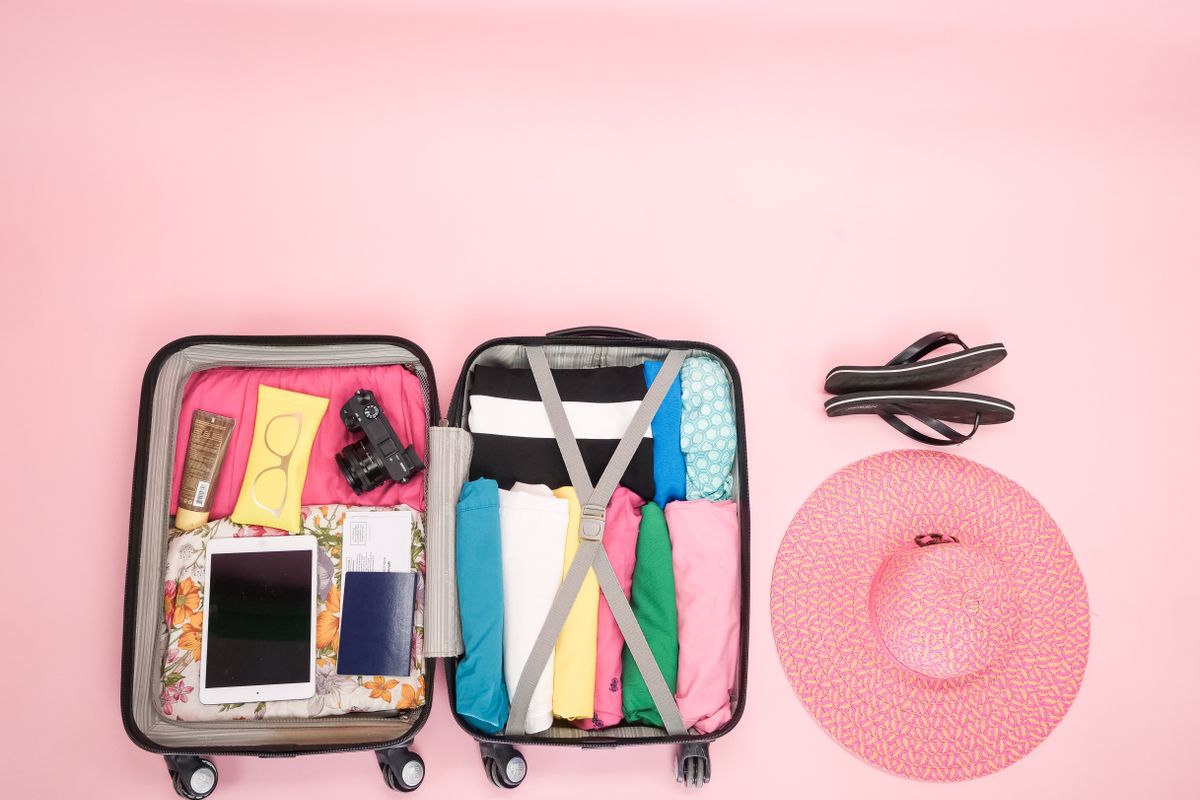
Packing a carry-on for five days is a ceiling problem, not a space problem. The airline sets the ceiling with its carry-on limit; everything after that is deciding what earns the room. Most people attack it from the wrong end — they fill the bag and then try to shrink the pile at the zipper. The pile always wins that fight. Start smaller and the zipper never becomes a negotiation.
Start with the wardrobe, not the bag
Build the trip around one bottom worn twice and three tops, plus a single layer for the cabin. That is five days from four garments plus the shoes on your feet. Adding a second bottom doubles the bulk for one more wear — rarely worth it. If the trip mixes a dinner with daytime walking, pick the bottom in a darker colour and the re-wear stops being visible; a dark trouser worn twice reads as a choice, a light one reads as a countdown. The carry-on size limits by airline decide the outer boundary, so check the strictest carrier on your route before you pack a centimetre more. Codeshares matter here: the regional leg, not the long-haul flight, usually owns the smallest sizer on your itinerary.
A five-day manifest
A concrete list beats a vague intention. Written out, the whole wardrobe is: three tops (one merino or synthetic knit, one shirt that survives a hand wash, one warmer layer), one bottom worn twice, underwear and socks for five, one flat spare pair of shoes, one jacket worn to the gate. That is it. Count the items against the days and the arithmetic holds — the top rotates, the bottom repeats, nothing exists as a single-wear luxury. If an item does not appear on the manifest, it does not go in the bag. The list is what stops the “but what if” layer from creeping in at the last minute, and the last minute is where most carry-ons die.
Roll the soft, fold the structured
Roll knits and soft shirts to cut hard creases and pack denser. Fold trousers and structured items around the bag’s walls to keep a crease and stop them rounding at the knee. The mistake is folding everything, which wastes the corners, or rolling everything, which crumples the wool. Roll tightly enough to press air out but not so tightly the fabric sets a curl — a rolled knit should look like a soft log, not a spring. Socks and underwear fill the shoes and the corner voids the flat items leave behind; every unfilled corner is space you paid for and never used.
Fabric choice shrinks the load. A merino base layer against cotton wears for days without smelling, so one shirt does the work of two. Fewer pieces, less weight, same five days. Anything that needs dry cleaning stays home — a fabric that cannot survive a hotel sink has no business in a one-bag trip.
Let cubes set the order
Packing cubes do not make space, they make the bag findable: one cube for tops, one for bottoms, one thin cube for the layer and underwear. Without them the bag becomes a single heap by day two, and every morning starts with an archaeology dig. Whether packing cubes are worth it comes down to how often you live out of the bag — for a five-day trip the answer is usually yes, for the order alone. Compression cubes buy a little density, but the real gain is that a squeezed cube keeps its shape, so the packed arrangement survives until the last day instead of slumping by the second morning.
The shoe and the toiletry tax
Shoes are the heaviest single item, so wear the bulky pair and pack one flat spare in a pouch, not a second compartment you pay for in weight. The pouch is not vanity — it keeps street grit off the clothes the spare sits against. Toiletries go travel-sized in a clear bag inside the top cube, not loose, so security is a pull-and-replace. Solids cut the tax further: a bar of shampoo and a stick of deodorant carry no liquid limit and no leak risk, and a leak in a packed carry-on is not an inconvenience, it is five days of smelling like someone else’s aftershave.
Wear the heavy things on the plane
The jacket, the boots, the jeans — anything dense goes on your body, not in the bag. A cabin jacket with real pockets turns into extra carry-on: phone, passport, the paperback, the clear toiletry bag for the security line all live in the pockets until you sit down. This is the oldest trick in one-bag travel and it works because the airline weighs the bag, not you. The plane outfit should also be the day-one outfit; landing, dropping the bag at the hotel, and walking straight into the day without a repack is the whole point of carrying one bag at all.
Living out of the bag
A packed bag on day one and a packed bag on day five are different objects, and the difference is discipline. Worn clothes go back into a designated spot — a cube, a shoe pouch, the personal item — never folded back in with the clean ones. Keep the manifest order: clean tops stay in their cube until needed, the bottom returns to its own cube after each wear, and the bag never gets fully exploded across the hotel room. Repack the night before each move rather than the morning of; a five-minute repack with a clear head beats a rushed one at checkout, and it is the only way the bag closes flat on the last day, when the souvenir problem has usually arrived.
The one step: set the empty carry-on in the sizer at home, pack the four garments and one layer, and drop anything that will not close the zipper flat.
FAQ
- Can five days really fit in a carry-on?
- Yes, if the wardrobe is built around one bottom worn twice and three tops, plus one layer for the plane. The limit is the airline's carry-on size, not the day count — once the bag meets the sizer, five days of one-bag travel is routine.
- Is rolling better than folding?
- Rolling reduces hard creases on knits and soft fabric and packs denser in a small space; folding protects structured trousers from rounding at the knee. A mix works: roll the knits, fold the trousers around the bag's walls to keep a crease.
- What do I leave out?
- Anything worn once and forgotten: the third pair of shoes, the just-in-case jacket, the full-size toiletry bottle. Travel-sized liquids, one layer, and the shoes already on your feet cover most five-day trips without a checked bag.
Written by
Nora Finch
I started Dressing Time after one too many orders that came back in the wrong size. Everything here is built from published specifications, brand measurement charts and what owners actually report.
More in Bags & Luggage